
Contents
- 🎯 Introduction to AI in Healthcare
- ⚖️ Regulatory Framework
- 📊 Key Facts & Numbers
- 👥 Key People & Organizations
- 🌍 Cultural Impact & Influence
- ⚡ Current State & Latest Developments
- 🤔 Controversies & Debates
- 🔮 Future Outlook & Predictions
- 💡 Practical Applications
- 📚 Related Topics & Deeper Reading
- Frequently Asked Questions
- References
- Related Topics
Overview
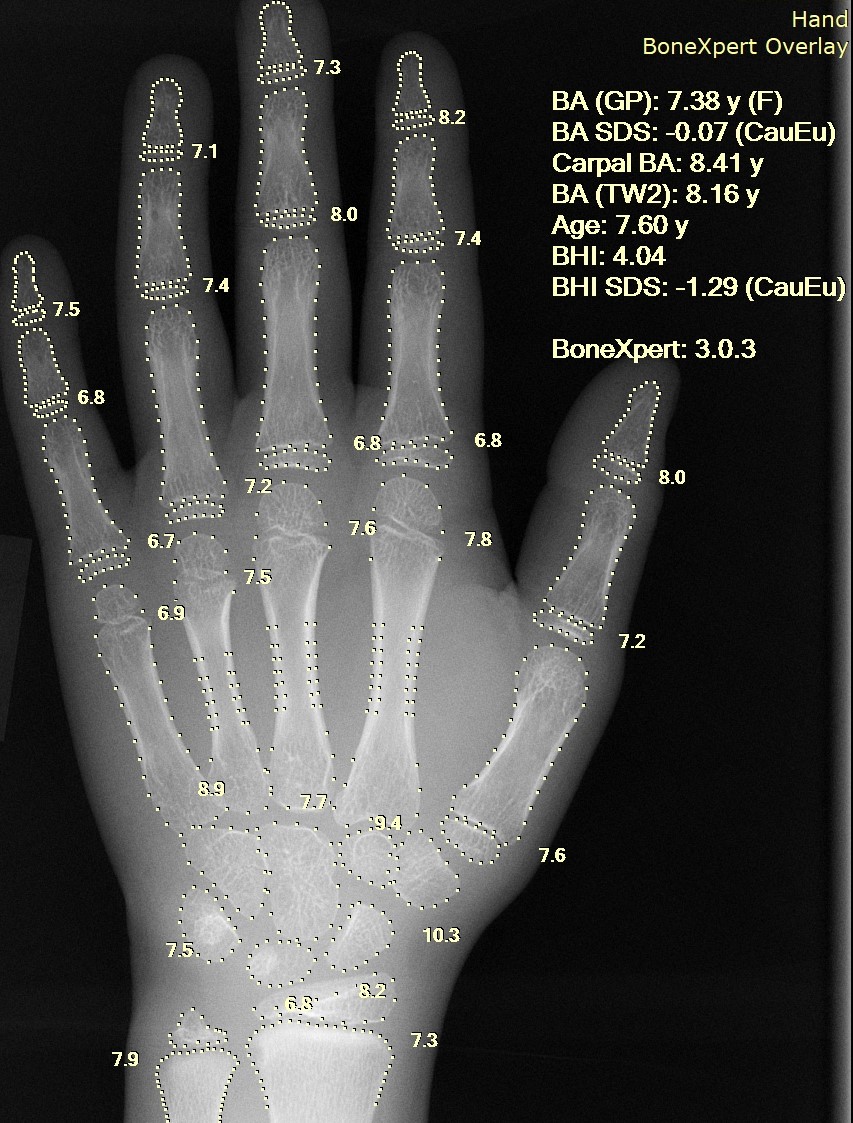
AI in healthcare regulatory compliance refers to the application of artificial intelligence in healthcare while ensuring adherence to regulatory requirements. This includes the use of AI in medical diagnosis, treatment, and patient care, as well as the development of AI-powered medical devices and software. The regulatory landscape for AI in healthcare is complex and evolving, with various government agencies and industry organizations playing a role in shaping the rules and guidelines. As the use of AI in healthcare continues to grow, regulatory compliance will become increasingly important to ensure patient safety and data protection.
🎯 Introduction to AI in Healthcare
The use of AI in healthcare has the potential to revolutionize the way medical professionals diagnose and treat patients. However, it also raises important regulatory compliance issues, such as ensuring the accuracy and reliability of AI-powered diagnostic tools. The American Medical Association (AMA) has recognized the potential of AI in healthcare, and has established a committee to explore the use of AI in medical practice.
⚖️ Regulatory Framework
The regulatory framework for AI in healthcare is complex and evolving. In the United States, government agencies play a key role in regulating AI-powered medical devices and software. The World Health Organization (WHO) has also established a framework for the regulation of AI in healthcare.
📊 Key Facts & Numbers
The use of AI in healthcare is growing rapidly. Several key people and organizations are playing a role in shaping the regulatory landscape for AI in healthcare. These include the WHO and the AMA.
👥 Key People & Organizations
The use of AI in healthcare has the potential to have a significant cultural impact, particularly in terms of patient care and outcomes. According to some sources, the use of AI in healthcare can improve patient care.
🌍 Cultural Impact & Influence
The current state of AI in healthcare regulatory compliance is rapidly evolving, with new developments and advancements emerging on a regular basis. Several organizations are working to ensure regulatory compliance for their AI-powered healthcare services.
⚡ Current State & Latest Developments
There are several controversies and debates surrounding the use of AI in healthcare, including concerns about data privacy and patient safety. The use of AI in healthcare raises important ethical concerns.
🤔 Controversies & Debates
The future outlook for AI in healthcare regulatory compliance is uncertain. The use of AI in healthcare has the potential to improve patient outcomes and reduce healthcare costs.
🔮 Future Outlook & Predictions
The practical applications of AI in healthcare are numerous, including the use of AI-powered diagnostic tools and the development of personalized medicine.
💡 Practical Applications
There are several related topics and deeper reading paths for those interested in learning more about AI in healthcare regulatory compliance. These include the use of AI in medical imaging and the development of AI-powered medical devices.
Key Facts
- Year
- 2020
- Origin
- United States
- Category
- technology
- Type
- concept
Frequently Asked Questions
What is AI in healthcare regulatory compliance?
AI in healthcare regulatory compliance refers to the application of artificial intelligence in healthcare while ensuring adherence to regulatory requirements. This includes the use of AI in medical diagnosis, treatment, and patient care, as well as the development of AI-powered medical devices and software.
Who are the key people and organizations involved in AI in healthcare regulatory compliance?
The key people and organizations involved in AI in healthcare regulatory compliance include the WHO and the AMA. These organizations play a crucial role in shaping the regulatory landscape for AI in healthcare.
What are the practical applications of AI in healthcare?
The practical applications of AI in healthcare are numerous, including the use of AI-powered diagnostic tools and the development of personalized medicine.
What are the controversies and debates surrounding AI in healthcare regulatory compliance?
There are several controversies and debates surrounding AI in healthcare regulatory compliance, including concerns about data privacy and patient safety. The use of AI in healthcare raises important ethical concerns.
What is the future outlook for AI in healthcare regulatory compliance?
The future outlook for AI in healthcare regulatory compliance is uncertain. The use of AI in healthcare has the potential to improve patient outcomes and reduce healthcare costs.
How can I learn more about AI in healthcare regulatory compliance?
There are several related topics and deeper reading paths for those interested in learning more about AI in healthcare regulatory compliance. These include the use of AI in medical imaging and the development of AI-powered medical devices.